(Image source from: Canva.com)
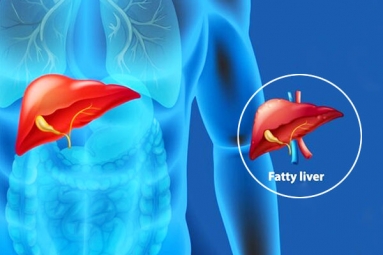
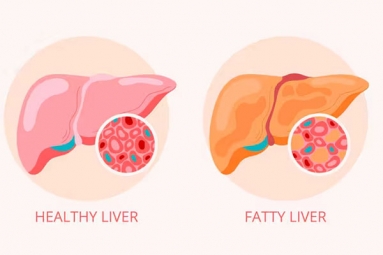
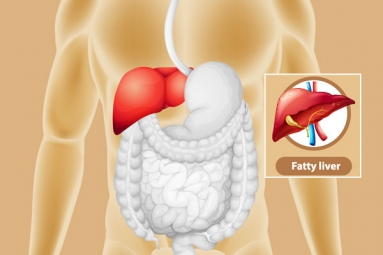
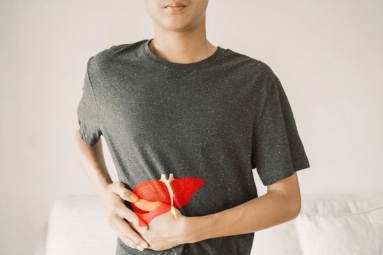
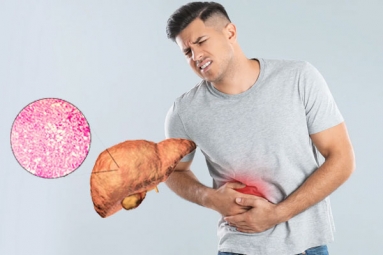
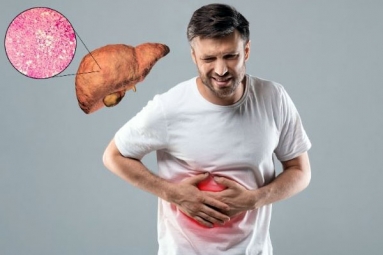
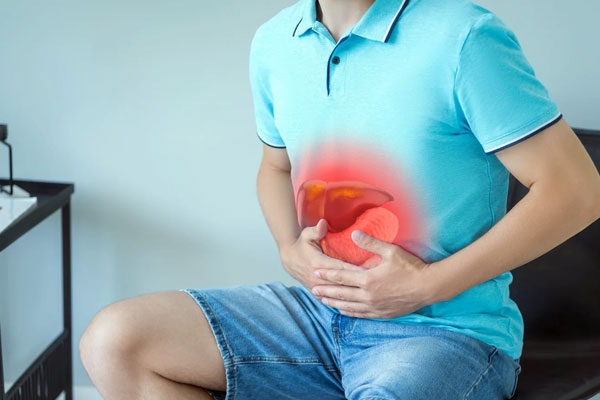
In India, non-alcoholic fatty liver disease (NAFLD) has turned into a hidden crisis. Recent findings from the Phenome India-CSIR Health Cohort, shared in The Lancet Regional Health Southeast Asia, reveal that nearly 38.9% of adults in India might have this liver issue. Many of these individuals are already showing signs of liver stiffness, known as fibrosis, which can eventually lead to serious liver problems. Traditionally, fatty liver was linked to heavy drinking, but new evidence points to a significant increase in NAFLD, mainly due to unhealthy eating habits, a lack of physical activity, and metabolic disorders. Here are some reasons contributing to the growing number of NAFLD cases in India, which can lead to more serious liver issues if not addressed.
Key reasons for non-alcoholic fatty liver disease:
Excess weight: Being overweight is one of the main risk factors for NAFLD. The rise in inactive lifestyles and high-calorie meals has led to more people being overweight or obese in India.
Eating habits: The shift in what people eat, with more refined carbs, sugars, and unhealthy fats, leads to excess fat buildup in the liver. Fast food and processed items have taken over traditional meals, resulting in increased calorie intake and poorer nutrition.
Insulin sensitivity issues: Conditions like type 2 diabetes and metabolic syndrome are strongly linked to NAFLD. Insulin resistance happens when body cells do not react well to insulin, causing fat to be moved from storage into the liver.
Genetic influences: Some people may have a genetic tendency that makes them more prone to NAFLD. South Asians have a specific genetic vulnerability to metabolic problems.
Age and gender: NAFLD is more frequently found in middle-aged individuals, but more young people are now affected because of their lifestyle choices. Men are generally more prone to developing NAFLD compared to women, although this difference decreases after menopause.
Medical treatments: Some medications can lead to fat build-up in the liver.
Additional health issues: Conditions like polycystic ovary syndrome (PCOS), sleep apnea, and hypothyroidism are linked to a higher chance of developing NAFLD. In India, fatty liver is often a part of metabolic syndrome and usually occurs alongside type-2 diabetes, PCOS, and unhealthy cholesterol levels.
Changes in lifestyle and environment: As cities grow, many people adopt less active lifestyles. Not being physically active is connected to gaining weight and directly contributes to the accumulation of fat in the liver. Furthermore, high levels of Vitamin D deficiency are strongly linked to metabolic syndrome and the progression of fatty liver.
Eating well, being active, keeping a healthy weight, and reducing alcohol consumption can help stop fatty liver disease. Also, checking your liver health with regular doctor visits can help find problems early on. Blood tests and scans can show how well your liver is working and how much fat it has. Non-alcoholic fatty liver disease often develops without clear signs, making it a hidden danger. If not treated, it can progress to more serious liver diseases, like non-alcoholic steatohepatitis, fibrosis, cirrhosis, or even liver cancer. Finding and treating the illness early is very important to manage it and avoid complications. If you think you might be at risk or notice symptoms like tiredness, stomach pain, or sudden weight loss, it is very important to get medical help right away. Good management can enhance liver health and general wellness, showing how necessary early detection and changes in lifestyle are.