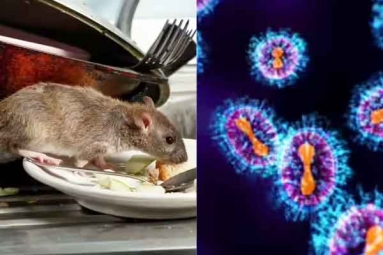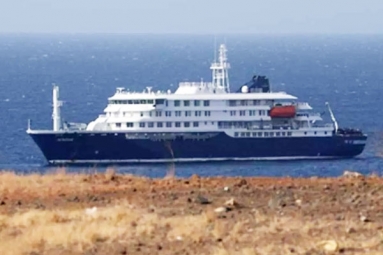
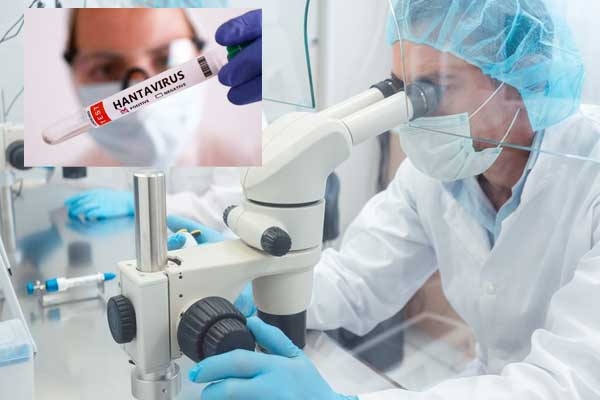
Barria and her group in Chile had spent many months creating antibodies to combat hantavirus, which is deadly, killing around one-third of those infected. A significant advancement occurred around 2016 when the bright green light showing the virus vanished when viewed under a microscope. The antibodies made in the immunovirology lab at Universidad de Concepcion, located approximately 300 miles south of Santiago, appeared to have eliminated the virus. Barria, who is 48, remembers thinking, "We’re making progress. " "We must continue. " After achieving successful results in testing on animals, the lab was set to collaborate with international partners for human trials. However, they encountered funding issues. The same strain of hantavirus, the only one known to spread between people, is now gaining worldwide attention. A group of infections tied to a cruise ship coming from Argentina to Europe resulted in several fatalities and serious illnesses, triggering an alert from the World Health Organization and raising new concerns about how the illness spreads.
Barria and her team in Chile were not the only ones researching hantavirus, but advances have been slow. Kartik Chandran, a professor at the Albert Einstein College of Medicine, has been working on a vaccine and a treatment using antibodies. The research is still in its early phases. However, the antibody, which is a type of cell made by the immune system to fight infections, has shown effectiveness in protecting against the Andes virus in tests on animals. Chandran mentioned that the antibody is ready to move to human testing. "We are having several discussions with different groups," he noted. "The aim is to have something ready in case of another outbreak. I am hopeful that we will gain insights from the current situation to be prepared for future hantavirus cases. " He added that conducting a clinical trial would be difficult due to the small number of cases. This same dilemma faces researchers dealing with other diseases spreading globally, such as bird flu, mpox, and Ebola.
Finding a way to treat hantavirus is urgent in Chile, where there have been 39 reported cases in 2026, including 13 fatalities, based on information from the Health Ministry. The situation is also concerning in southern Argentina, where 42 infections had been reported in the country as of May 7 this year, according to government statistics. The cause of the recent outbreak on the cruise ship MV Hondius that left from Argentina is still unidentified. Yet, well before any media coverage, the groundwork for a possible treatment and vaccine was already underway in Chile, until a lack of funding and the arrival of the Covid-19 pandemic halted their efforts. The experiences of the Chilean lab reflect many situations where researchers had to pause their work on new coronaviruses before the Covid pandemic due to financial issues.
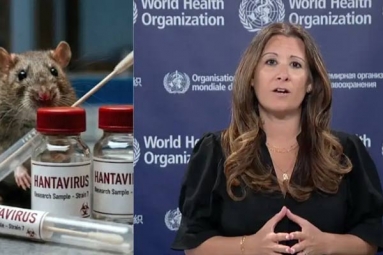
The virus had mostly been ignored outside of southern Chile because it is uncommon and mainly found in specific areas, according to Barria. "It has always been a public health issue here, but without any solutions," she stated. Barria is leading a team of Chilean scientists along with international collaborators, such as researchers from Rocky Mountain Laboratories at the National Institutes of Health, the Robert Koch Institute in Germany, and Ichor Biologics based in New York. Since 2014, her team has been examining blood samples from people who survived the virus to learn about the immune system's response. They also tested a safe pseudovirus in the lab. By 2018, they published results from a study that identified and defined two monoclonal antibodies that could neutralize the virus. One of these antibodies later showed the ability to completely eliminate the infection from the lungs during animal experiments conducted with international partners. By 2021, one of the antibodies received orphan drug designation from the US Food and Drug Administration to help speed up its development.
However, human trials would require a large investment, estimated by Barria to be around 7 million dollars. The team and Ichor Biologics sought funds from around the world, but their progress faced challenges during the Covid pandemic as resources were redirected and local funding was not enough.
Even though human trials are currently paused, Barria and her team are focusing on other areas, such as examining how patients' immune systems respond and how long the antibodies last. She stated these details are essential for future treatments and vaccine development. "The main issue causing delays is a lack of funding and resources," she noted. "We have made important progress, but we have reached a point that is far more costly and requires a higher level of investment, plus specific facilities that we do not have right now." Even if funding becomes available, Barria believes it would take her and her team 12 to 24 months to return to where they were before the pandemic. Currently, Barria is a researcher at Universidad San Sebastian in Puerto Montt and grew up in an area where hantavirus was known but not well understood. Some people in her community got sick from the virus, not frequently but severely, and there was no treatment available.
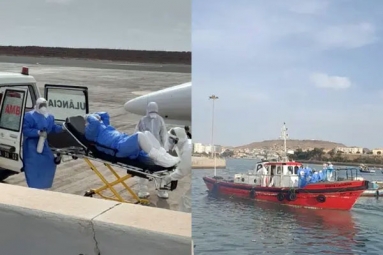
The outbreak on the cruise ship has increased the awareness of the Andes strain she has been studying for years. More than eight individuals have been infected, and passengers and crew from 23 different countries might have been exposed. Many have returned home to quarantine to avoid any chance of spreading the virus. Early symptoms are similar to the flu and include fever, tiredness, muscle pain, nausea, and sometimes stomach pain. In severe cases, the illness can quickly lead to respiratory failure as fluid accumulates in the lungs, often necessitating intensive care and support with ventilation. Each year in Chile, about 40 to 60 infections are reported, with a fatality rate that can reach up to 40%, as estimated by Clinica Alemana, a private hospital. Currently, there are no specific treatments available, but outcomes greatly improve with prompt diagnosis and care.