(Image source from: Timesofindia.indiatimes.com)
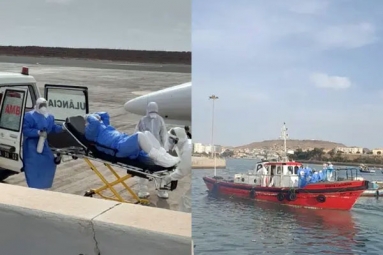
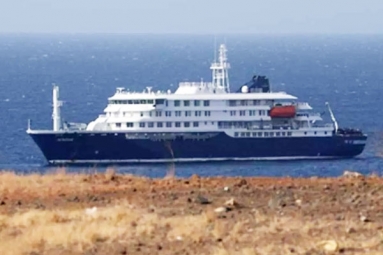
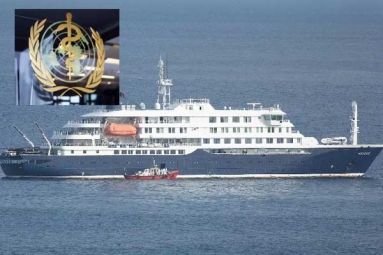
Health authorities looking into the serious hantavirus outbreak tied to the cruise ship MV Hondius report that there is no current proof that the virus has changed to become more spreadable or dangerous. This assurance follows genetic testing of the virus, indicating it is almost identical to types linked to earlier outbreaks in South America, as stated by specialists from the European Centre for Disease Prevention and Control (ECDC). So far, this outbreak has been associated with ten cases, with eight confirmed illnesses and three fatalities. This announcement also comes amid increasing international worries about whether the virus might have evolved to spread more easily among humans after several illnesses were noted among passengers and crew onboard the ship. Nevertheless, both European and American experts affirm that the current information does not back the concerns of a significant viral change. As reported by Bloomberg, one US doctor who was initially thought to have a hantavirus infection tested negative twice, which has further reduced worries about a broader outbreak. In addition, another passenger in isolation in Italy also received a negative test result. Health organizations, including the World Health Organization (WHO) and ECDC, are still conducting extensive international contact tracing while keeping track of passengers in several countries.
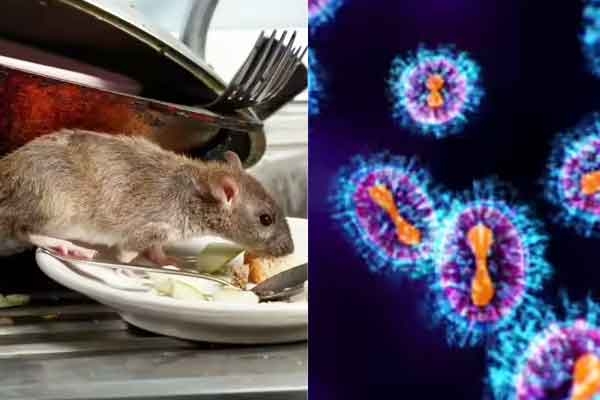
During a health briefing in Europe, Andreas Hoefer, an expert in microbiology and molecular epidemiology with the ECDC, mentioned that the sequencing study revealed no significant genetic alterations indicating the virus has changed to spread more aggressively. "Currently, there is no information suggesting this virus is acting differently in terms of transmission or severity," Hoefer stated, as reported by Bloomberg. He emphasized that all the viral sequences examined so far were "almost identical" to known strains of South American hantavirus. The ECDC suspects that the first sick passenger was probably infected in South America before getting on the MV Hondius cruise ship. Researchers pay close attention to viral changes during outbreaks because genetic shifts can sometimes lead to easier transmission, more serious illness, or escaping immune response. However, experts point out that no such trends have shown up in this outbreak yet. Hantaviruses are mainly viruses spread by rodents, transmitted through contact with infected animals, their urine, saliva, or droppings. The US Centers for Disease Control and Prevention (CDC) states that most hantavirus cases globally do not spread easily between people. However, some South American strains, especially the Andes virus, have shown limited human-to-human transmission in situations of close contact.
This situation has made researchers very careful during the MV Hondius outbreak. Bloomberg reports that ECDC officials mentioned the virus might be found in blood up to two days before any symptoms show up. This has led authorities to widen contact tracing to include individuals who were in contact with others before they showed symptoms. Experts point out that this does not necessarily imply the virus has become airborne or as easily spread as influenza or Covid-19. Some worries about spreading internationally lessened after a number of suspected cases outside the cruise ship outbreak returned negative results. Bloomberg indicated that Stephen Kornfeld, an oncologist from Oregon who assisted sick passengers on the MV Hondius, first tested "mildly positive" in the Netherlands but subsequently tested negative twice. Kornfeld reportedly offered medical assistance after the ship’s main doctor fell ill.
In a different report, Italian health officials confirmed a 25-year-old man who was isolated following potential exposure also tested negative for hantavirus. However, a previous passenger in France is still in critical condition in intensive care and is receiving extracorporeal membrane oxygenation (ECMO), a complex life-support treatment used when the lungs are not working well.
Virologists explain that viral mutation is a standard biological occurrence, but not all mutations significantly affect how a disease behaves. Currently, there is no proof that the virus from this outbreak has become more transmissible. Public health experts insist that ongoing monitoring of genetic changes is vital because:
viruses are always changing,
outbreaks that involve human-to-human transmission need careful observation,
and early identification of significant mutations can enhance outbreak responses.
Scientists are still studying viral samples from confirmed cases to gain better insights into how the virus spreads on the ship. Health officials highlight that hantavirus is still quite uncommon worldwide. Most infections happen through contact with rodents rather than casual interactions between people.
Preventive actions include:
staying away from areas where rodents are found,
cleaning rodent droppings safely,
ensuring better airflow in closed areas,
and wearing protective gear during cleaning.
The CDC advises not to sweep or vacuum areas that are contaminated with rodents directly, as this might spread viral particles into the air. Experts suggest that for the general public, the immediate risk remains low, even with ongoing surveillance of the cruise ship outbreak. While the situation with the MV Hondius has caused global concern, health experts state that the current evidence does not indicate that the hantavirus involved has changed to become more contagious or severe.
Genetic analysis shows the virus is still very similar to known strains from South America, and many suspected international cases have now returned negative results. However, authorities are continuing global contact tracing and monitoring as researchers look into how the virus was transmitted on the cruise ship. For now, experts stress that hantavirus is mainly a disease spread by rodents, not a rapidly spreading respiratory virus like Covid-19.