(Image source from: AFP)
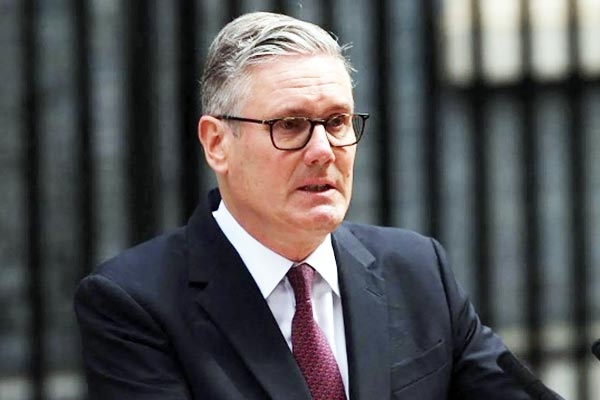
Facing challenges from his Labour Party, British Prime Minister Keir Starmer announced on Monday that he is stepping down from his roles as prime minister and party leader. This decision will lead to the election of the seventh prime minister for Britain in just ten years. The 63-year-old indicated he would stay in his position until a new leader and prime minister is chosen by the party, committing to fully support his successor. "The current concern from my party is whether I am the right person to guide us into the next general election," expressed a visibly moved Starmer during his speech from 10 Downing Street. "I have listened to what my party members have said regarding this and accept their decision. Every choice I've made has been focused on prioritizing the country I care about. Therefore, I will step down as leader of the Labour Party," he stated. Starmer also mentioned that he spoke with King Charles III earlier on Monday to notify him of his decision.
"I informed His Majesty the King of my choice this morning. I will request the Labour National Executive to begin the process of selecting a new leader before the next parliamentary session in September. . . I will fully support my successor, trusting they will take over a stronger Britain to help Labour secure another term. I appreciate all my colleagues for their backing," he added. Starmer then emotionally thanked his wife, Victoria, for being his constant support through good and bad times.
"As I depart from my significant role in the country, I will devote more time to my most crucial job, being the best husband possible to my wonderful wife Vic, and the best father I can be to my lovely children, who bring me so much pride," he noted. The departing leader has requested that Labour's National Executive Committee outline a timeline for a leadership election, with nominations starting on July 9. These nominations will close before parliament's summer break on July 16. If a contest takes place, this schedule ensures there will be a new Labour leader when parliament reconvenes in September. Starmer spent the weekend reflecting on his future after rival Andy Burnham won a special election for a parliamentary seat. Burnham, who was the Labour mayor of Greater Manchester until last week, aimed to challenge Starmer for leadership of the party and country.
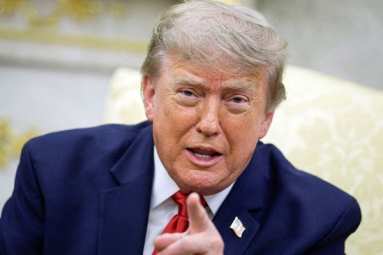
Burnham is set to take his oath as a Parliament member on Monday. On Sunday, US President Donald Trump mentioned on Truth Social that Starmer "will step down" as the prime minister. A UK official stated that the government did not inform Trump of anything, and he has not talked to Starmer.
Frustration with Starmer has been increasing for several months, as Labour politicians are eager to change the government's decreasing popularity since Starmer guided the center-left party to a significant election win in July 2024. He has had a hard time achieving the expected economic progress, fixing damaged public services, and managing the rising living costs. He has faced challenges due to several mistakes, including his choice to make Peter Mandelson, a controversial acquaintance of Jeffrey Epstein, the UK ambassador to the United States. Labour is losing its liberal supporters to the growing Green Party and is contending with the rising Reform UK, led by Nigel Farage, an anti-immigration party that frequently tops national opinion polls.